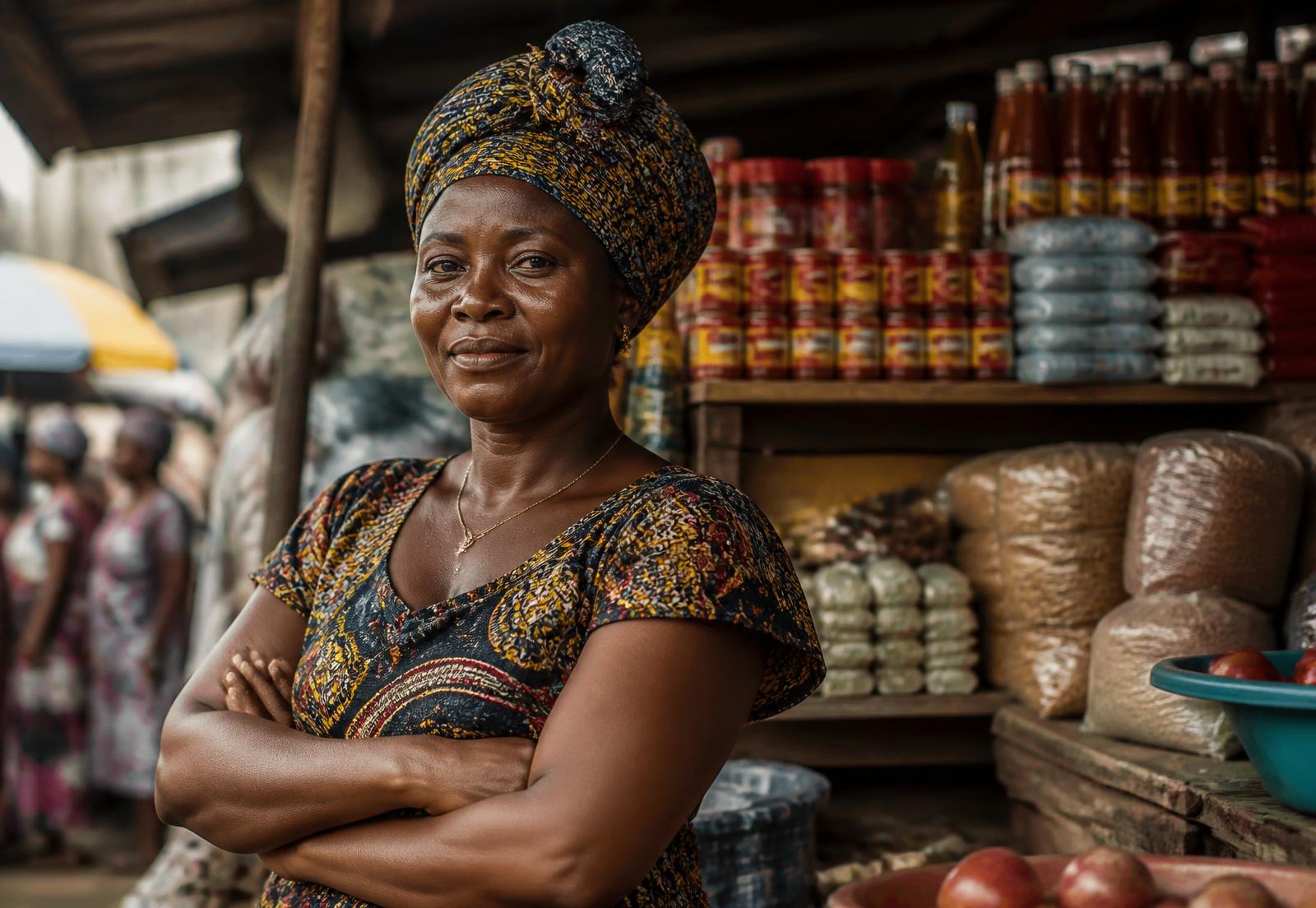

A market trader standing in her stall in a busy West African marketplace

Franvia institutionalises and scales support for the informal sector.

What does it take to make an informal enterprise protected, competitive and resilient?

2bn+
workers are in informal employment — more than 6 in 10 of the world's employed people.International Labour Organization
~30%
of GDP in emerging and developing economies is generated by informal activity.International Monetary Fund
85.8%
of total employment in Africa is informal — the highest share of any region.International Labour Organization
$5.2tn
in unmet MSME financing need across developing economies each year.IFC / SME Finance Forum

The real face of the informal sector

Millions of disciplined operators, running real businesses, on informal terms.

The informal sector is often described as a gap to be closed. In practice it is a dense, diversified, deeply local commercial system: it feeds cities, distributes goods, absorbs labour, holds prices down and keeps trade moving when formal systems stall. Its constraint is not ambition or capability. It is infrastructure — the financing, regulation, data and representation that formal firms take for granted.

Traders & market operators

Wholesalers, stall owners, cross-border traders and market unions moving goods at volume every day, largely outside formal records.

Producers & processors

Smallholder farmers, food processors, artisans and light manufacturers supplying both local demand and export value chains.

Service & logistics operators

Transporters, repair technicians, tailors, caterers, care workers and the last-mile distribution layer formal firms depend on.

Retail & digital micro-commerce

Kiosks, neighbourhood shops and social-commerce sellers running real businesses on informal terms.

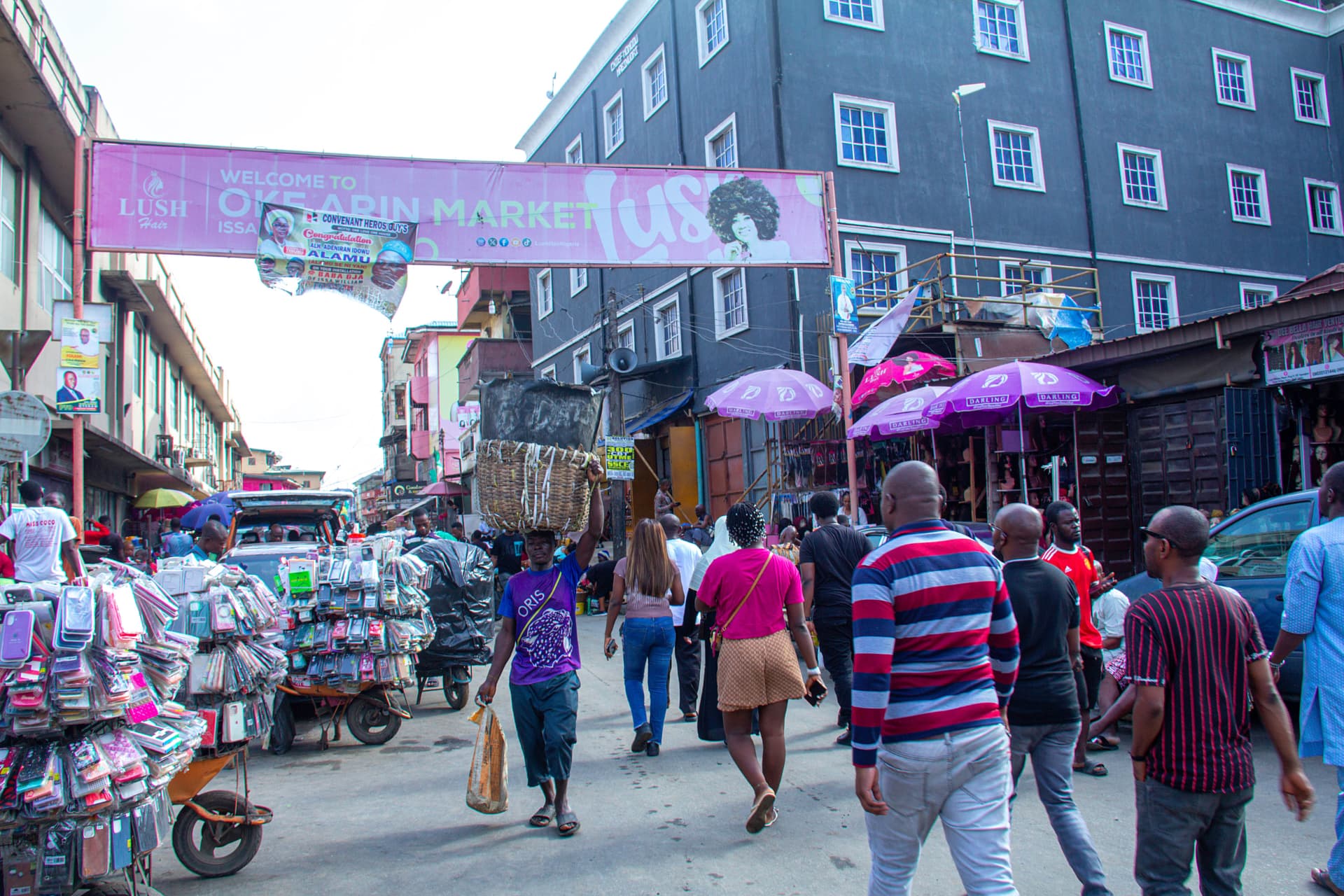
Oke Arin Market, Lagos

Local weight, global consequence

What happens in the market determines what happens in the macroeconomy.

Informal enterprise sets household prices, employment resilience, food security and the pace of intra-African trade. It is also where the largest share of unmet financing demand sits. Strengthening it is not social policy — it is financial sector strategy, trade strategy and industrial strategy at once.

What is valuable to the informal sector

Support + Regulation + Scale

Franvia works across soft power and hard power: the convening authority that opens doors, and the institutional machinery — financial, regulatory and commercial — that keeps them open. Whatever infrastructure or solution you bring to the strengthening and sustainability of the informal sector, there is a place for it here.

Support

Capital, capability and market access

Working capital and credit lines routed through institutions that understand informal cash cycles, paired with the operating capability to use them: recordkeeping, aggregation, logistics and buyer linkage.

Regulation

Rules that protect rather than punish

Registration, licensing, taxation and consumer-protection frameworks designed with operators, not against them — so compliance becomes an asset that unlocks finance and contracts.

Scale

From single traders to organised volume

Associations, clusters and cooperatives that convert fragmented demand into bankable, procurable and exportable volume across national and continental markets.

The goal, and how we get there quickly

A sector that is visible, bankable, protected — and permanently supported.

Speed comes from not rebuilding what already exists. The associations, the offices, the lenders and the trade platforms are already in place. Franvia links them, standardises how they work together, and institutionalises the result.

  1. 01

    Visibility

    Credible data on who operates, what they trade and what they are worth — the precondition for every financial or policy decision that follows.

  2. 02

    Bankability

    Risk profiles, guarantees and instruments that let banks, lenders and insurers serve the sector commercially rather than philanthropically.

  3. 03

    Protection

    Legal standing, dispute resolution, safety nets and shock absorption so a single disruption does not erase a decade of enterprise.

  4. 04

    Permanence

    Support embedded in institutions — offices, statutes, budget lines and associations — so it survives political and leadership change.

Soft power meets the informal sector

The Office of the First Lady, and the shop of the market woman.

There is immense soft power in the offices of First Ladies across Africa and beyond, at national and subnational levels. These offices already do a great deal to advance the informal sector — convening, mobilising, financing and legitimising work that reaches traders directly. Franvia's position is straightforward: recognise that contribution properly, then scale it through institutionalisation so its benefit outlives any single term of office.

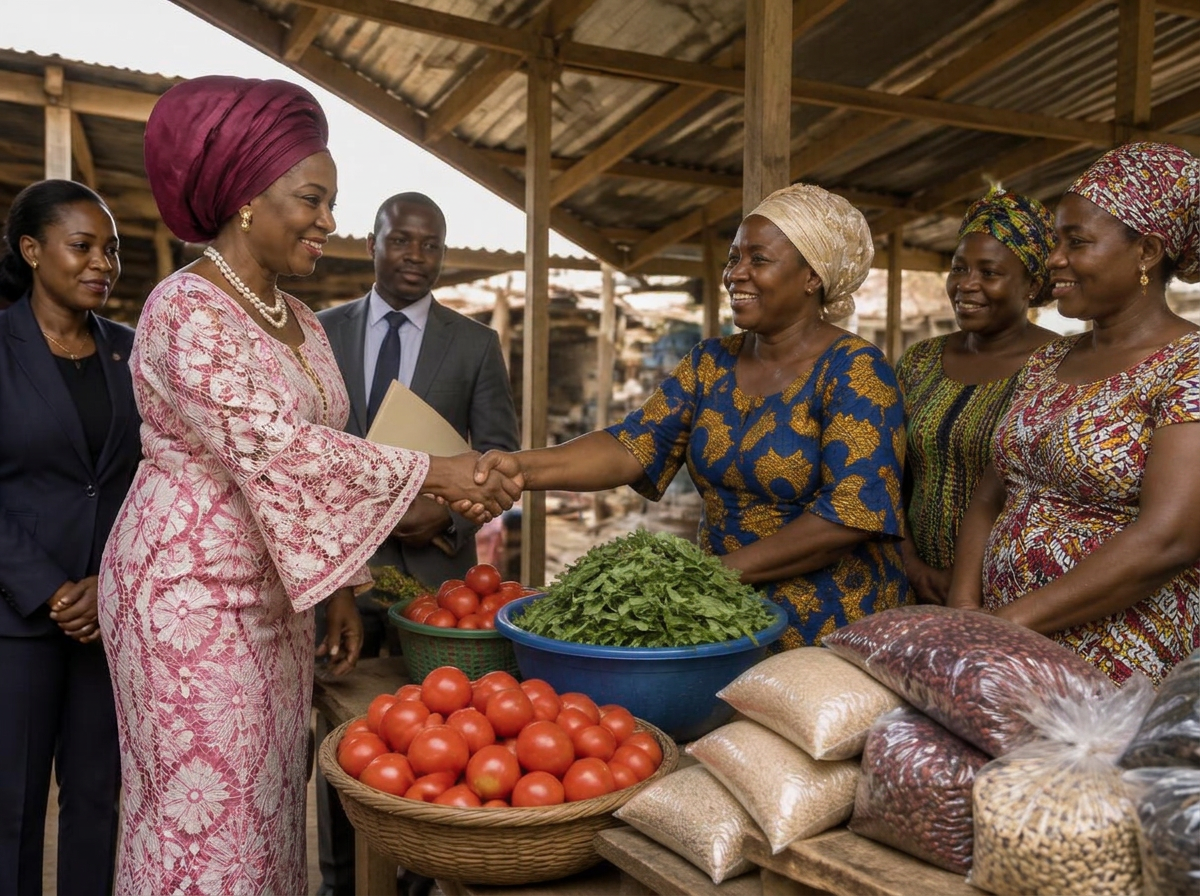
A formal delegation meeting market traders inside a covered marketplace
Convening power: offices of First Ladies engaging traders directly, in the market.
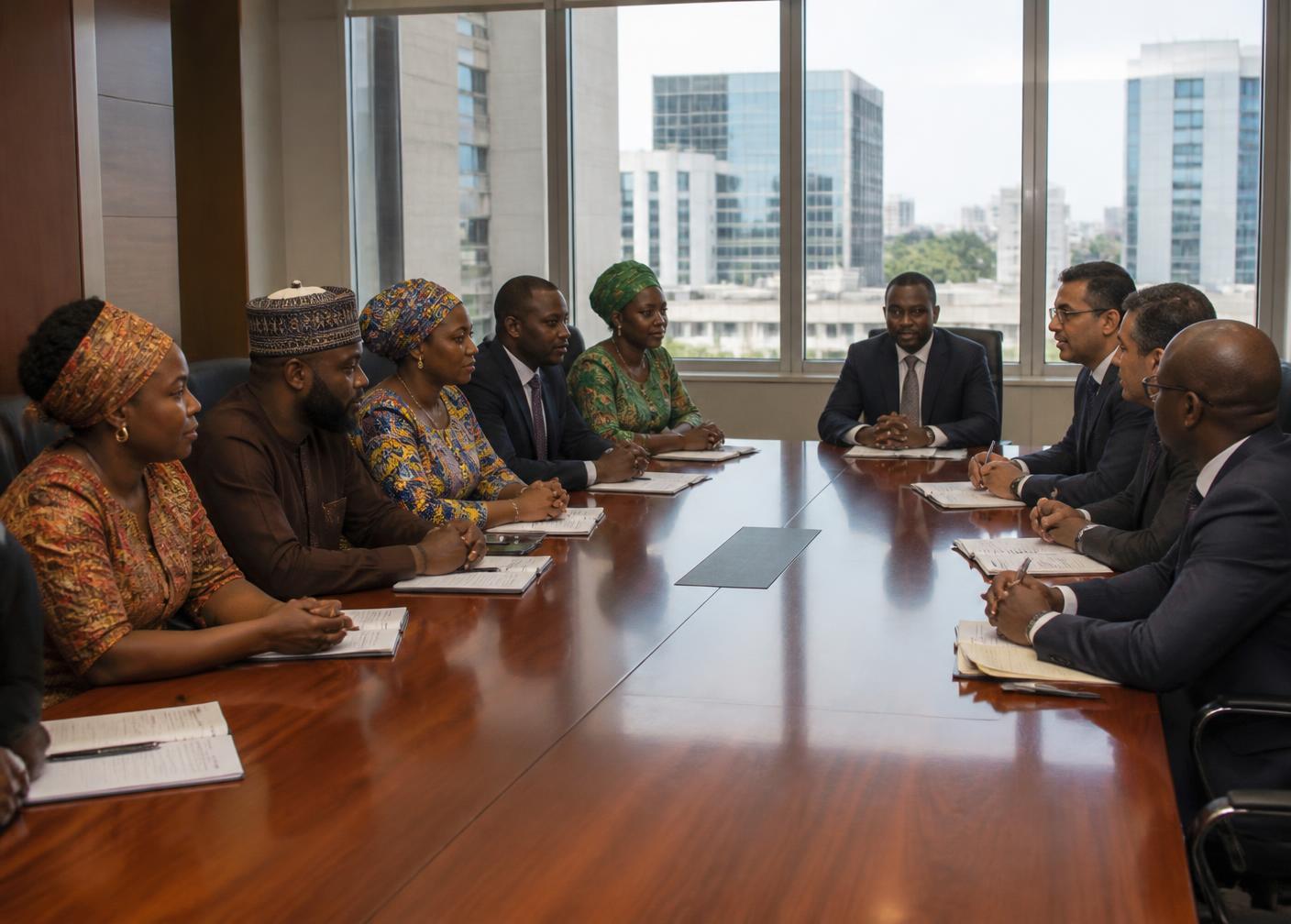
Informal sector association representatives in a boardroom meeting with financial institution executives
Access: association representatives at the table with banks, regulators and government departments.
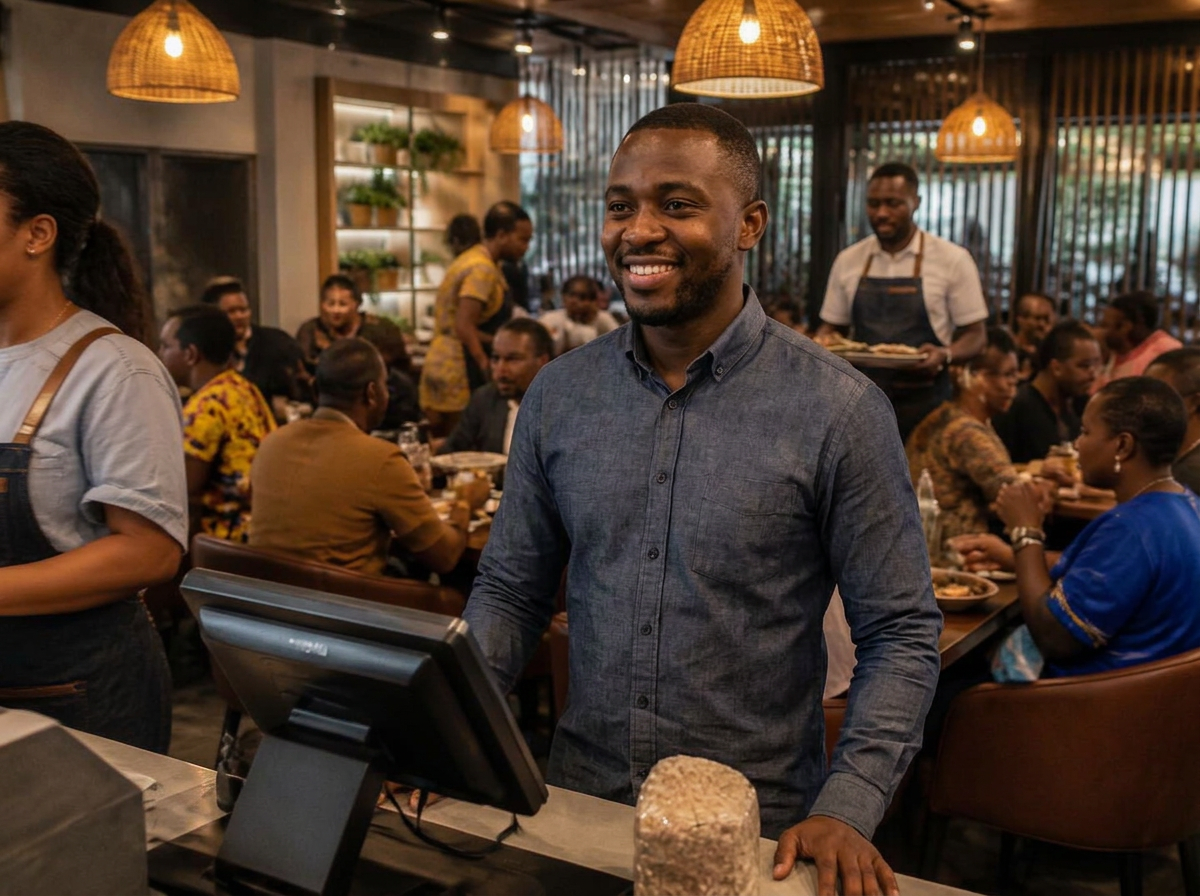
The owner of a busy, fast-growing neighbourhood restaurant overseeing service
Scale: informal does not mean small. These are fast-growing enterprises with staff, systems and customers.
Convening power: offices of First Ladies engaging traders directly, in the market.
Access: association representatives at the table with banks, regulators and government departments.
Scale: informal does not mean small. These are fast-growing enterprises with staff, systems and customers.

Recognition

Formal acknowledgement of the development work already delivered from these offices — measured, documented and reported like any other institutional programme.

Institutionalisation

Programmes anchored in structures, statutes and partnerships rather than personalities, so delivery continues across administrations.

Continuity of value

Once a First Lady, always a First Lady. Institutionalisation ensures both the sector and the office continue to draw value long after a term ends.

Open to First Gentlemen

The model is office-based, not gender-based. Where the office is held by a First Gentleman, the same convening power and the same framework apply.

"Financial inclusion is a key enabler to reducing poverty and boosting prosperity."
The World Bank

Associations

We build with associations, because that is where the sector is already organised.

Trade associations, market unions and cooperative bodies are the sector's existing institutional layer. Franvia works through them to distribute finance, gather data, deliver capability programmes and channel policy positions — rather than building parallel structures that compete with them.

They already hold the trust

Associations and market unions are the recognised authority inside their trades. Working through them means adoption in weeks, not years.

They aggregate demand

Individually, a trader is a difficult credit case. Organised through an association, the same traders become a bankable portfolio with shared data and shared discipline.

They carry the sector's voice

Regulation improves fastest where operators are represented at the table. Associations turn scattered grievance into structured policy input.

They enforce standards

Quality, pricing conduct, dispute resolution and repayment behaviour are policed far more effectively by peers than by external supervision.

National Association of Nigerian Traders (NANTS) logo

Association in focus

National Association of Nigerian Traders (NANTS)

NANTS represents traders across Nigeria and has long been a voice for trade policy, market governance and cross-border trade facilitation in West Africa. It is exactly the kind of organised counterpart through which support for the informal sector can be delivered at scale — and it participated in the Kenya–Nigeria trade mission referenced in our track record below.

Track record

Work already delivered — domestically and across borders.

The engagements below were carried out by our team, formerly the informal sector division of Tradeflow Africa, now a sister company. Two mandates run through all of it: connect informal operators to serious domestic capital, and plug them into international market opportunity.

Domestic opportunity — capital access
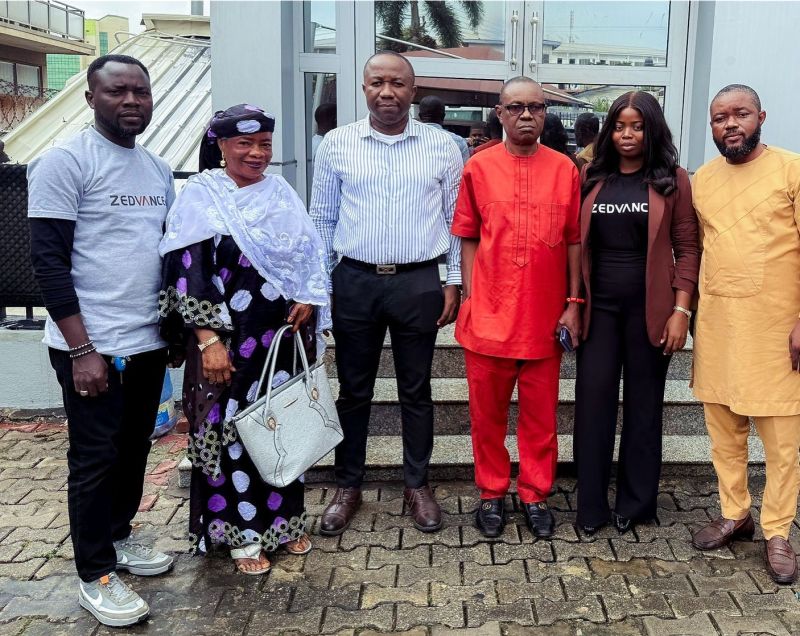
Zedvance Finance executives hosting informal trade leaders
Zedvance Finance logo

Connecting a consumer lender to organised informal trade

We introduced and plugged Zedvance Finance into the informal trade ecosystem, connecting the lender directly with executives and operators positioned to move credit into markets that conventional distribution rarely reaches. It is the model we repeat: a regulated financial institution on one side, organised informal demand on the other, and a structured relationship in between.

Delivered as the informal sector division of Tradeflow Africa

Read the announcement
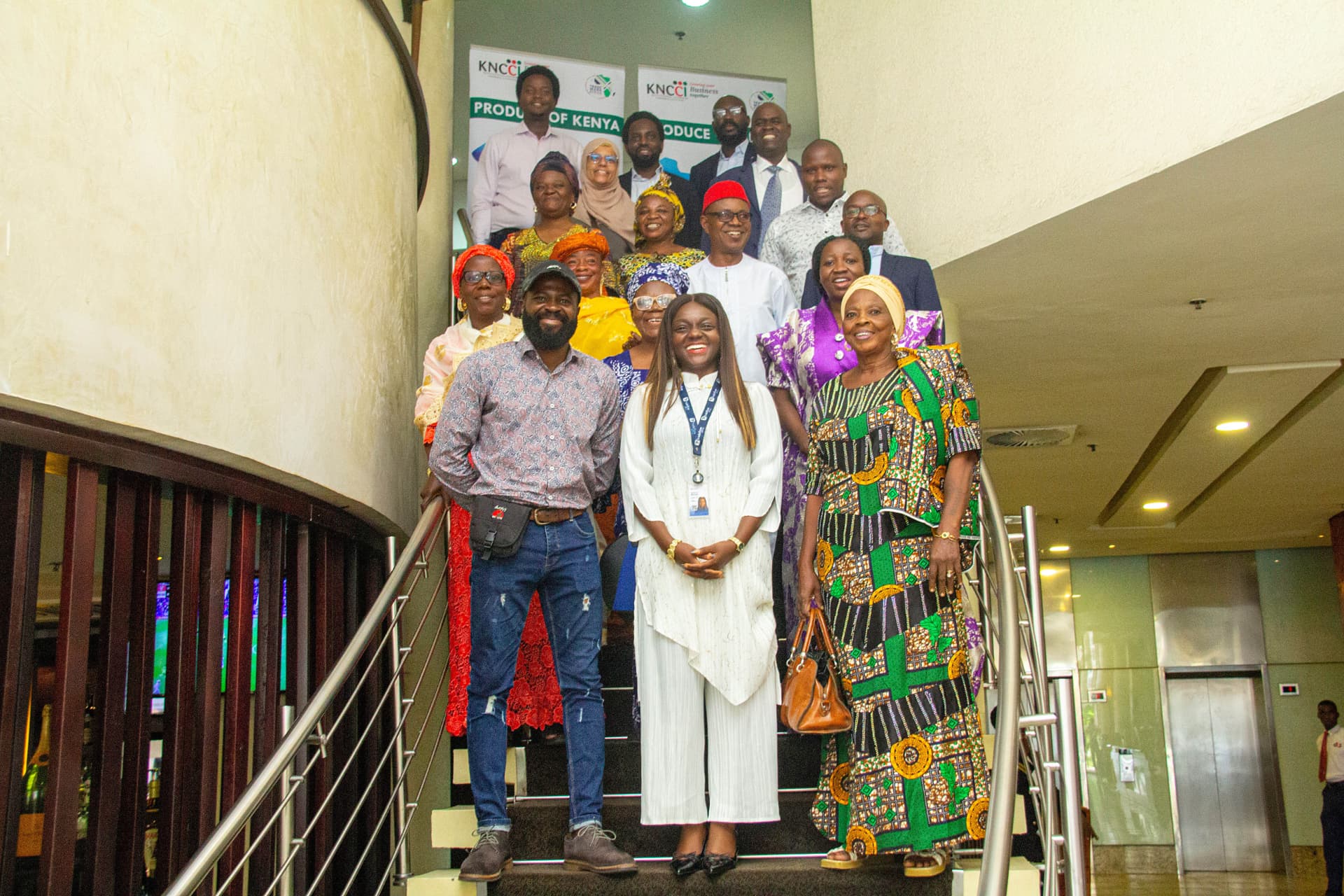
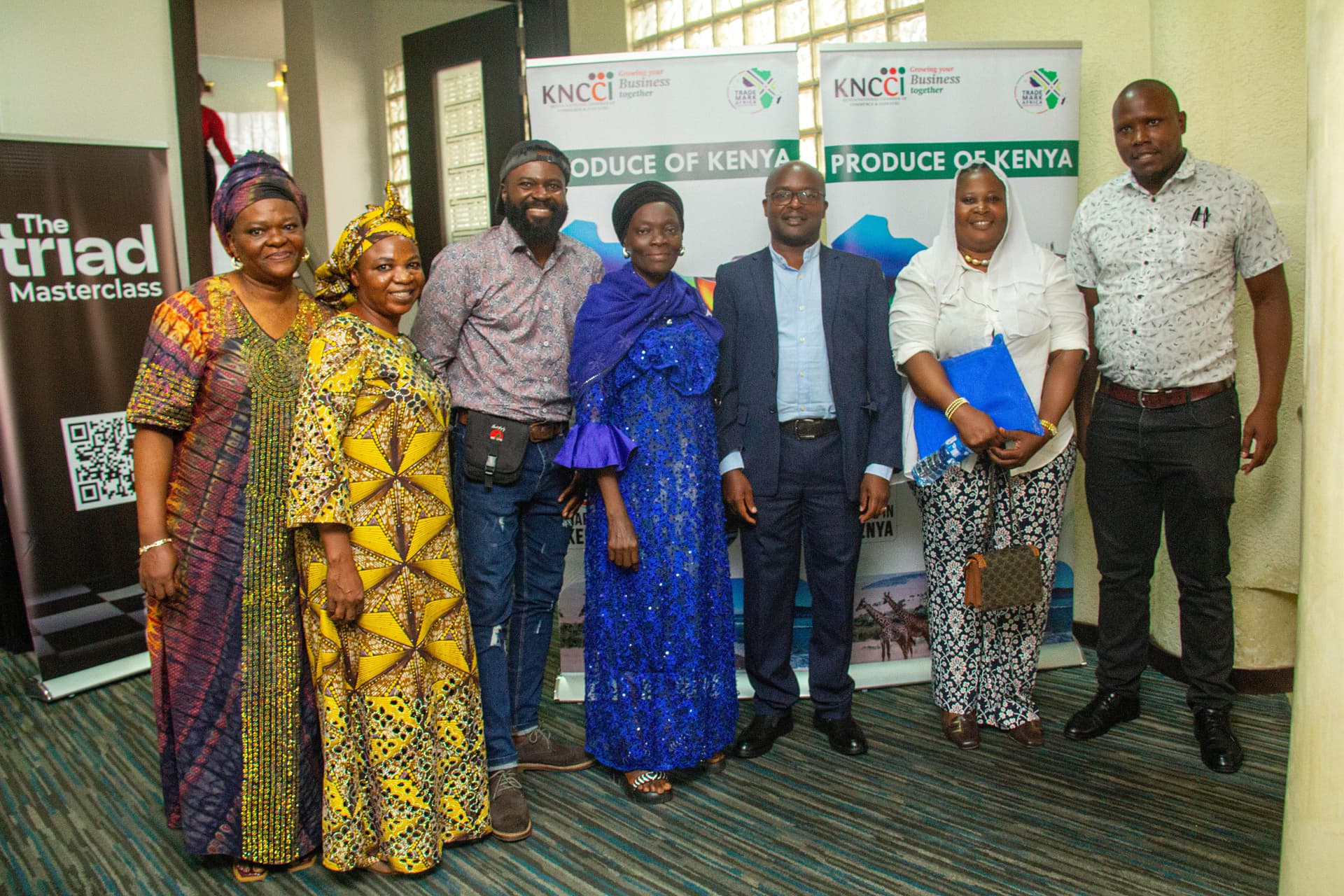
Delegates at the Kenya–Nigeria trade mission

International opportunity — market access

Kenya–Nigeria trade mission: opening intra-African trade ties

We facilitated a landmark Kenya–Nigeria trade mission that brought manufacturers, traders, chambers of commerce and financial institutions into direct commercial conversation — among them NANTS, the Lagos Chamber of Commerce and Industry, the Manufacturers Association of Nigeria, the Kenya Association of Manufacturers and the Kenya National Chamber of Commerce and Industry. The outcome was practical: real buyer–supplier linkage and a working template for informal and small enterprise participation in cross-border trade.

Delivered as the informal sector division of Tradeflow Africa

From the Kenya–Nigeria trade mission

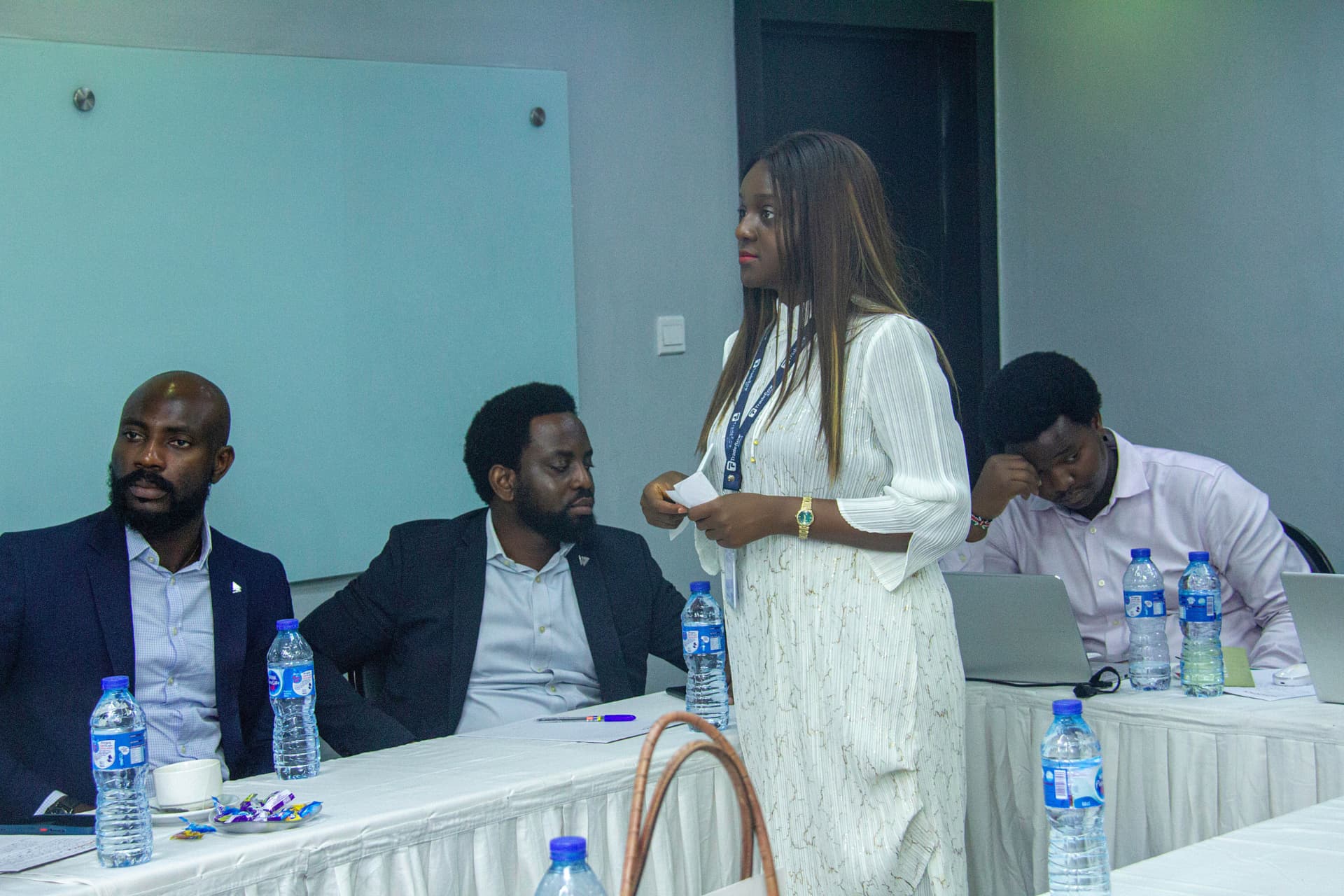
Kenyan and Nigerian delegates gathered at the KNCCI trade mission in Lagos
The full Kenya–Nigeria delegation, Lagos — KNCCI, KAM and NANTS traders together.
Delegates in front of Produce of Kenya banners
Nigerian market leaders with the Kenyan delegation at the Produce of Kenya session.
Traders and shoppers at Oke Arin Market, Lagos
Oke Arin Market, Lagos — where the demand actually sits.
Kenya Embassy representative addressing the trade mission roundtable
Kenya Embassy representative speaking at the roundtable.
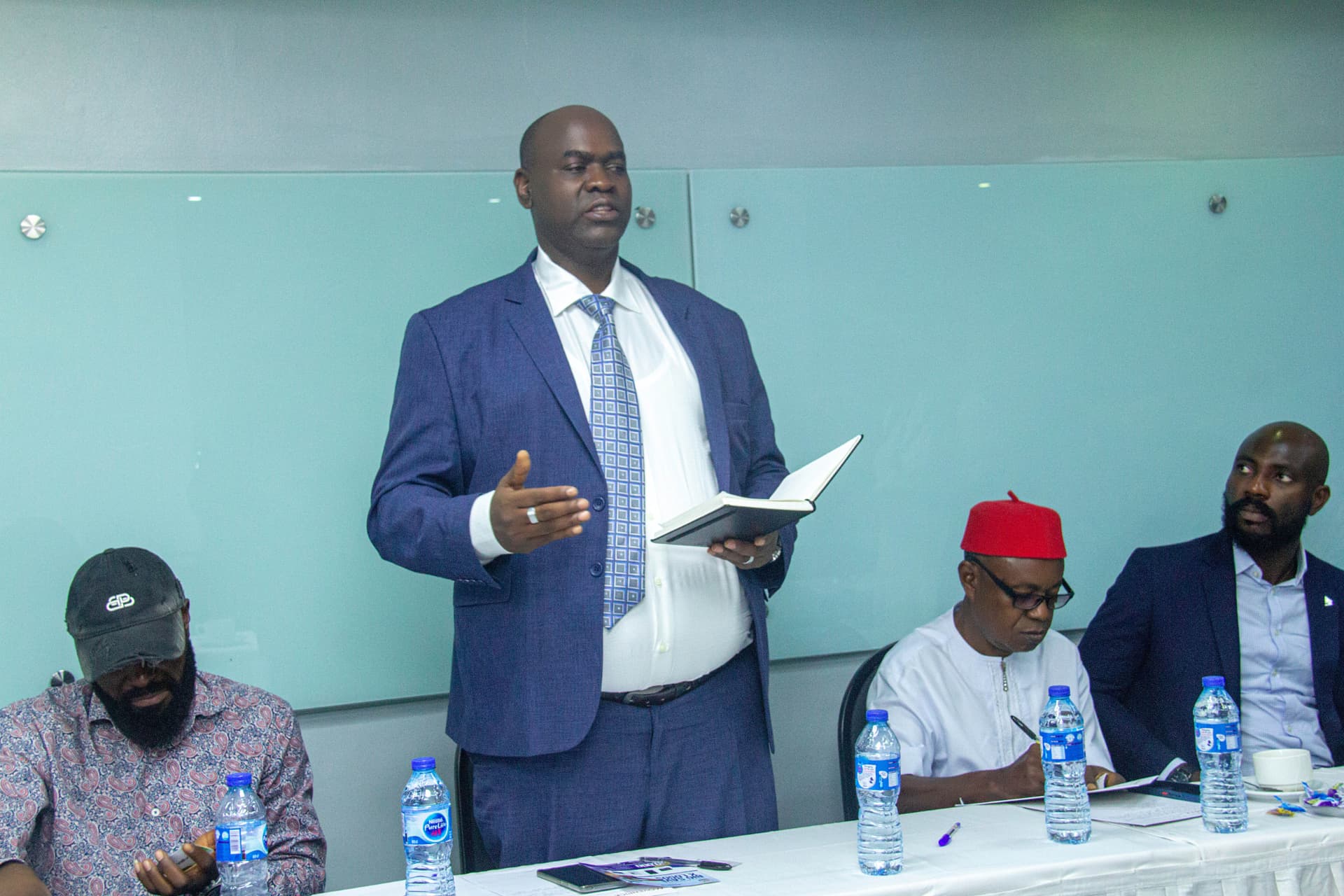
A delegate addressing the trade mission session
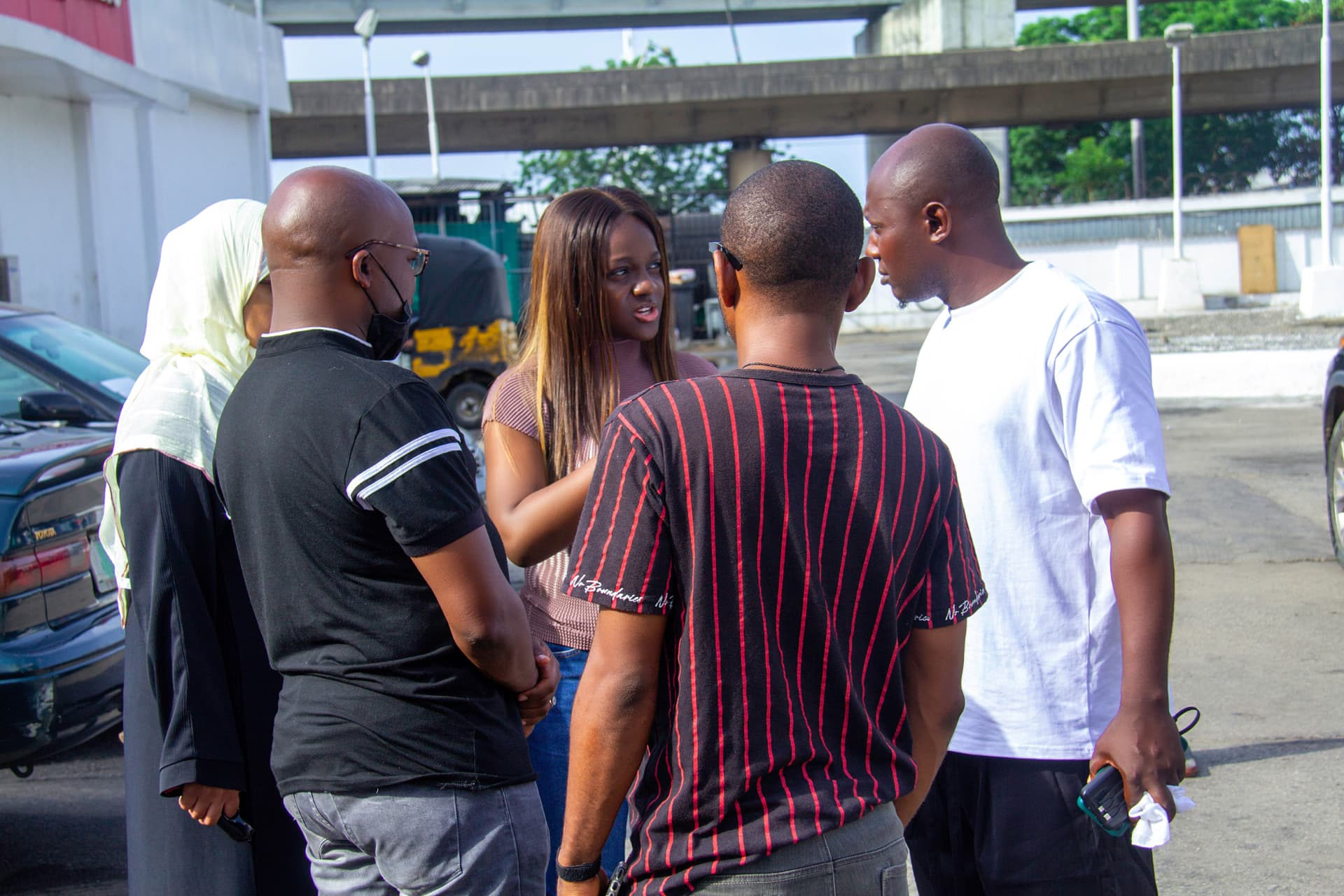
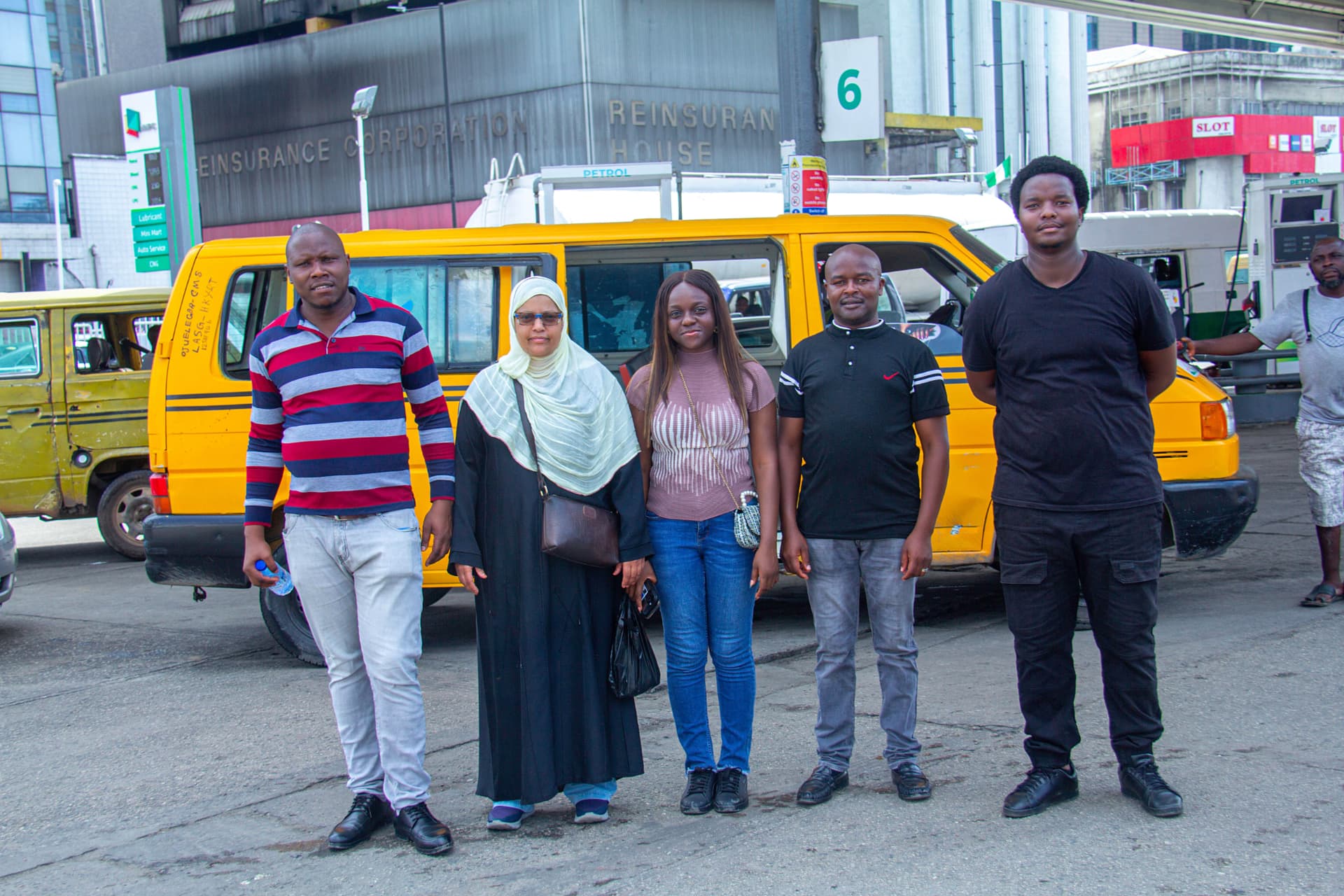
Delegates in conversation on a Lagos street between engagements
Field conversations between market visits.
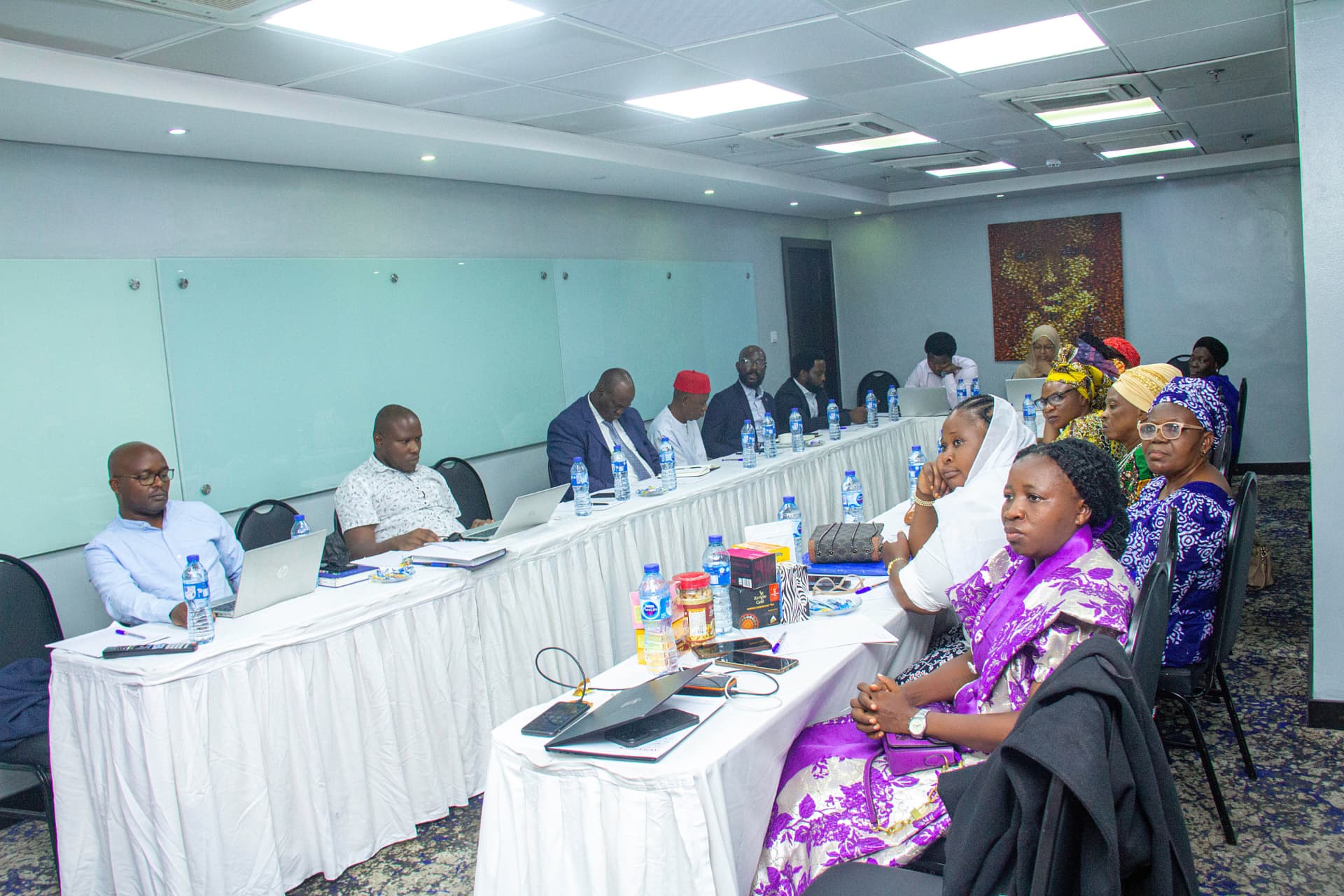
Delegates seated around the boardroom table during the dialogue session
A cross-section of delegates during the trade dialogue session.
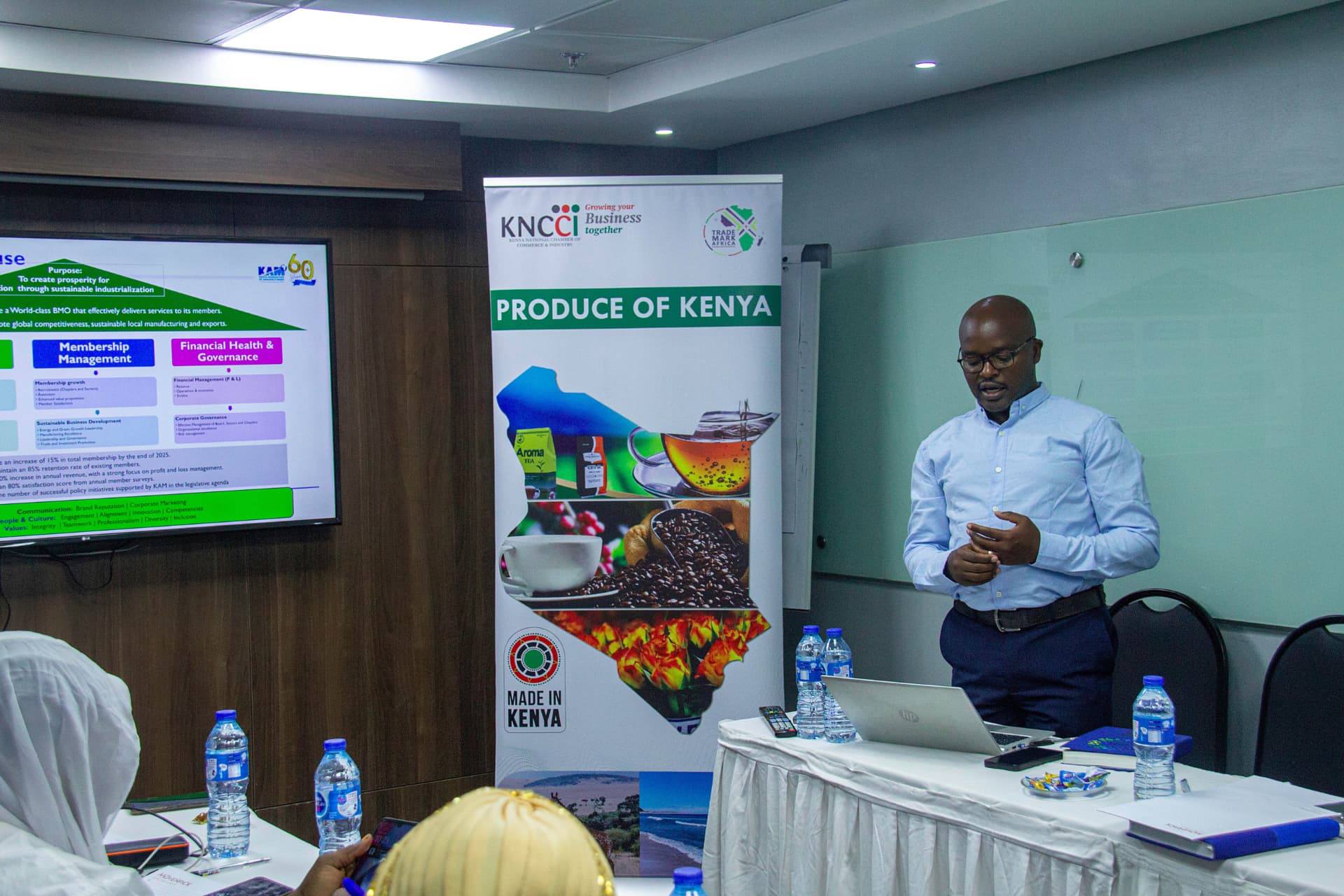
Kenya Association of Manufacturers representative presenting beside the Produce of Kenya banner
Kenya Association of Manufacturers (KAM) representative presenting.
Delegation on a market visit in central Lagos
Market walk-through: mapping distribution routes on the ground.
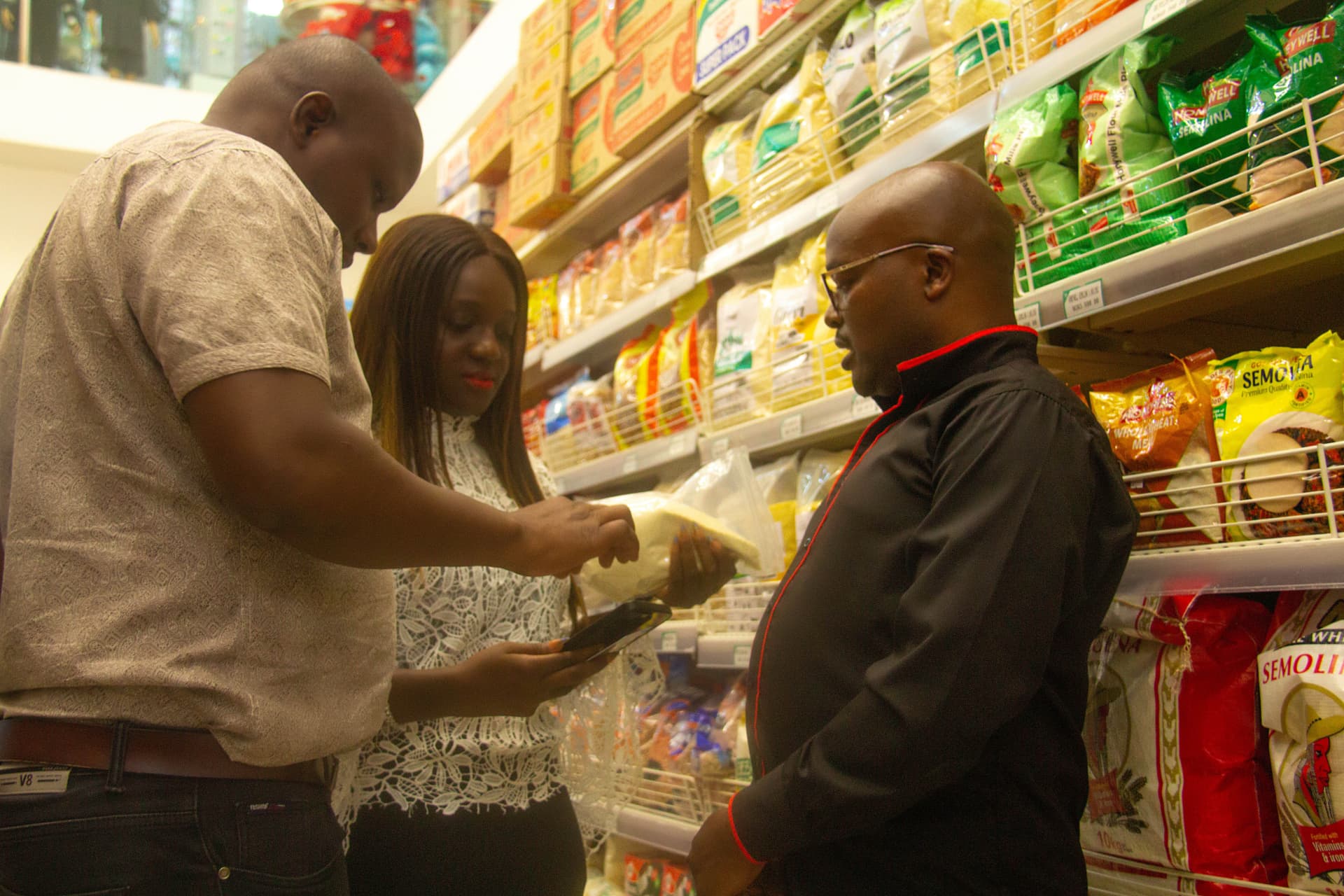
Delegates inspecting packaged goods on retail shelves
Product inspection on retail shelves — checking listing and pricing viability.
The full Kenya–Nigeria delegation, Lagos — KNCCI, KAM and NANTS traders together.
Nigerian market leaders with the Kenyan delegation at the Produce of Kenya session.
Oke Arin Market, Lagos — where the demand actually sits.
Kenya Embassy representative speaking at the roundtable.
Field conversations between market visits.
A cross-section of delegates during the trade dialogue session.
Kenya Association of Manufacturers (KAM) representative presenting.
Market walk-through: mapping distribution routes on the ground.
Product inspection on retail shelves — checking listing and pricing viability.

Who we work with

If you are building infrastructure for the informal sector, you belong in this room.

Franvia is deliberately open. Whatever solution you provide — capital, regulation, logistics, data, technology, training or market access — if it strengthens and sustains the informal sector, we want to work with you.

Offices of First Ladies

National and subnational offices with the convening authority to mobilise markets and legitimise programmes.

Financial institutions

Banks, lenders, fintechs, insurers and development finance institutions seeking commercially viable exposure to the sector.

Government departments & regulators

Trade, industry, finance and local government bodies designing registration, taxation and market governance frameworks.

Associations & market unions

The organised representative layer through which delivery, data and standards actually reach operators.

Development & multilateral institutions

Programme funders and technical partners working on financial inclusion, MSME growth and intra-African trade.

Corporates & supply chains

Manufacturers, distributors and buyers whose last mile depends on informal distribution and who need it to be reliable.

Work with us

Tell us what you are building for the informal sector.

Whether you hold public office, run a financial institution, lead an association or operate a supply chain that depends on informal distribution — we would like to hear from you. Every enquiry reaches the Franvia team directly and receives a considered reply.

  • Partnership enquiriesProgramme design, co-financing, association engagement and market access mandates.
  • Institutional engagementOffices of First Ladies, ministries, regulators and multilateral partners.
  • Response timeWe typically reply within two business days.

General enquiry

Send us your enquiry.

Every enquiry reaches the Franvia team directly and receives a considered reply. Share the shape of your work and we will come back with the right people in the room.

  • Programme design, co-financing and market access mandates
  • Institutional engagement across ministries, regulators and multilateral partners
  • We typically reply within two business days